Estimados padres o tutores:
Vuestro hijo ha comenzado la unidad 4 de su libro de Ciencias Sociales Oxford Think Do! Learn 2. Esta unidad tiene por título Landscapes (“Paisajes”), y en ella aprenderá:
Los accidentes geográficos que encontramos en la Península Ibérica.
La diferencia entre paisajes rurales y urbanos.
La importancia de proteger el medio ambiente y los paisajes que nos rodean.
Os adjunto el vocabulario más importante que aprenderá a lo largo de la unidad.
Quisiera animaros a que ayudéis a vuestro hijo/a a interiorizar los contenidos utilizando las audiciones y canciones de la unidad, la presentación powerpoint y las actividades de Let’s play! ubicados en la Plus Zone. Asimismo, os invito a comentar con vuestros hijos los diferentes paisajes rurales y urbanos que hayáis visitado, así como la importancia de preservarlos limpios y cuidados para nuestra herencia cultural.
Sin duda, vuestra colaboración ayudará a que vuestro hijo/a aprenda y se divierta.
Saludos,
El maestro / La maestra
Landscapes (Paisajes) Unidad 4
Lista de vocabulario
archipelago = archipiélago
beach = playa
buildings = edificios
cape = cabo
coastal landscape = paisaje costero
farm animals = animales de granja
flat landscape = paisaje llano
gulf = golfo
island = isla
landform = accidente geográfico
man-made = artificial
mountain landscape = paisaje montañoso
mountain range = cordillera
peninsula = península
plain = llanura
plants = plantas
port = puerto marítimo
preserve = preservar
recycle = reciclar
reduce = reducir
reuse = reutilizar
sea = mar
sheep = ovejas
traffic lights = semáforos
valley = valle
What type of landscape is it? it's a flat/coastal/mountain landscape
What can we find in a mountain flat/coastal/mountain landscape? There is ...../there are....
Draw a gulf/island/mountain range...
When the land goes into the sea we call it.... CAPE
When the sea goes into the land we name it ..........GULF
Water surrounded by land is a LAKE
Land surrounded by water is an ISLAND.
A group of islands is and ARCHIPELAGO
A mountain range is a GROUP OF MOUNTAINS
The land between two mountains is a VALLEY
What container does plastic/paper/glass go into?
Is this a rural or an urban landscape?
Mostrando entradas con la etiqueta QUESTIONS. Mostrar todas las entradas
Mostrando entradas con la etiqueta QUESTIONS. Mostrar todas las entradas
miércoles, 3 de abril de 2019
lunes, 25 de febrero de 2019
Questions unit 3 Natural Science
Vuestro hijo/a va a comenzar la unidad 3 de su libro de Ciencias de la Naturaleza Oxford Think Do Learn! 2. Esta unidad tiene por título Animals (“Animales”), y en ella aprenderá:
Las tres funciones vitales de todo ser vivo: nutrición, reproducción y relación.
La clasificación de los seres vivos en plantas y animales.
La clasificación de los animales en vertebrados e invertebrados.
Los distintos tipos de animales vertebrados.
Los distintos tipos de animales invertebrados.
Los tipos de animales según su alimentación: carnívoros, herbívoros y omnívoros.
Os adjunto el vocabulario más importante que aprenderá a lo largo de la unidad.
Quisiera animaros a que ayudéis a vuestro hijo/a a interiorizar los contenidos utilizando los recursos del CD, el libro de cuentos y la Plus Zone. Asimismo, os invito a que le indiquéis los grupos de alimentos que van tomando a lo largo de la semana, comprobando que han consumido productos de todos los tipos de alimentos.
Os animamos a que vuestros hijos traigan libros y juegos relacionados con el tema.
Un saludo
Unit 3: Animals
(Animales)
Lista de vocabulario
Living thing = ser vivo
Non-living thing = ser inerte
Animal Kingdom = reino animal
Plant Kingdom = reino de las plantas
Vertebrate = vertebrado
Invertebrate = invertebrado
Reptile = reptil
Fish = pez
Mammal = mamífero
amphibian = anfibio
bird = pájaro
feather = pluma
wet skin = piel húmeda
scale = escama
fin = garra
viviparous = vivíparo
backbone = columna vertebral
mollusc = molusco
arthropod = artrópodo
worm = gusano
carnivore = carnívoro
herbivore = herbívoro
omnivore = omnívoro
UNIT
3 ANIMALS
What
are living things?
What
are vertebrate animals?
What
are invertebrate animals?
Name
the vertebrate groups
Is it vertebrate or invertebrate? Why? It's a vertebrate because it has a backbone.
Is it vertebrate or invertebrate? Why? It's a vertebrate because it has a backbone.
Say
2 characteristics of mammals/fish/reptiles/amphibians/birds.
Name
2 mammals/fish...
Describe
a bird...:It's got a beak, wings to fly,feathers fins to swim, scales, hair, wet skin...
Has it got...? Yes, it has. No it hasn't.
Have they got...? Yes, they have. No , they haven't
Has it got...? Yes, it has. No it hasn't.
Have they got...? Yes, they have. No , they haven't
Are
mammals/fish/insects... viviparous or oviparous? Why?
Name
3 groups of invertebrates.
Name
1 insect/aracnic/mollusc/worm.
Describe
an insect/spider/mollusc/worm.
What
do carnivores/omnivores/herbivores eat? Name 2 carnivores/...
viernes, 8 de febrero de 2019
Questions "Our world"
How many continents are there? There are 7 seven continents.
Name the continents . North America, South America, Africa, Europe, Asia, Oceania and Antartica.
What are the cardinal points? North, South, East and West.
Which imaginary line divides the Earth into two hemispheres? The Equator.
Which hemisphere is Spain in? It's in the North Hemisphere.
Which continent is Spain in? in Europe.
The Equater divides the Earth into two hemispheres . Name them.
What's the difference between the globe and a map?
What countries border Spain?
Name one country in North America/ South America/Asia/Africa/Europe/Oceania
miércoles, 23 de enero de 2019
QUESTIONS UNIT 2 :FOOD
UNIT 2
VOCABULARY: BRAD, HAM, RICE ,SOUP, SALAD, CHIPS, CARROTS, POTATOES, GREEN BEANS, TOMATOES, YOGHURT, SWEETS, PEACHES, LEMONS.
Do you like...?
Say a food you like and a food you don't like.
What's your favourite food?
What do you have for lunch/breakfast/dinner?
Can I have a /an/some...?
Which food group is (bread, ham, rice, ..) in? Bread , cereals and pasta, vegetables and fruit, milk and dairy, fish , meat and eggs or fats and sweets.
Tell me a food that is in bread, cereal and pasta group.
Tell me a food that is in the vegetables group.
Tell me a food that is the fruit group.
Tell me a food that is in fruit, milk and dairy group.
Tell me a food that is in meat,fish and egg group.
How much is it?
How much is it?
viernes, 11 de enero de 2019
QUESTIONS UNIT 1 NUTRITION AND REPROUDUCTION
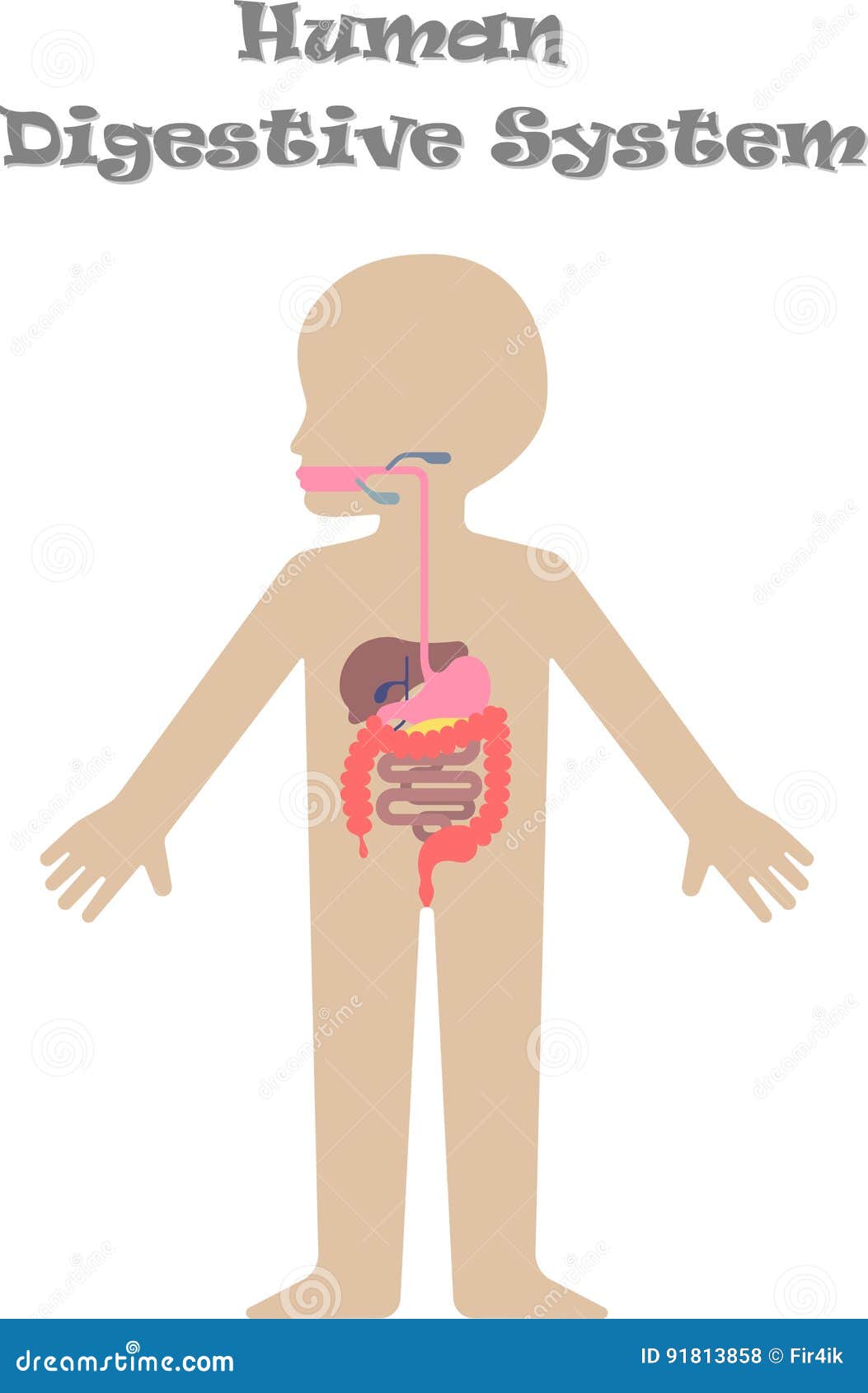 Label the parts

What do you do when you eat your food? You chew it.
What is the esophagous? It's a tube.
Where does the food go after being in the esophagous? It goes to the stomach.
What's the function of the small intestine? It absorbs nutrients.
Where does the waste go? it goes to the large intestine.
Where do you breath in? through your nose
What do you breath in? oxigen.
Tell me some parts of the respiratory system: nose, windpipe, bronchi and lungs.
Which organ pumps blood? The heart
What tubes send the blood to the rest of the body? the blood vessels
martes, 22 de mayo de 2018
DAILY ROUTINE QUESTIONS
When do you...?
-get up
-wash my face.
-brush my teeth.
-comb my hair.
-have a shower.
-get dressed.
-make my bed.
-go to school
-go to bed
-sleep.
-have breakfast.
- have lunch.
-have dinner.
I ..... in the morning, in the afternoon , in the evening.
Do you..... everyday?
wash my face.
-brush my teeth.
-comb my hair.
-have a shower.
-get dressed.
-make my bed.
-go to school
-go to bed
-sleep.
-have breakfast.
- have lunch.
-have dinner.
Do you wash your face/ brush your teeth/... in the afternoon? Yes I do/ No I don't
What do you have for breakfast/lunch/dinner?
viernes, 27 de abril de 2018
ANIMALS
Are mamals/birds/fish oviparous or viviparous?
Mammals have.....
- hair.
-four legs.
-drink their mother's milk
Is the dolphin a mammal?
Is the bat a mammal or a bird?
Mammals can..........
Mammals can't......
How many legs do birds have?
Do birds have arms or wings?
Do birds have feathers or hair?
Birds can......
Birds can't....
Is the penguin a bird ?
Are birds oviparous or viviparous?
Fish have...
-scales.
-fins.
Do reptiles have hair or scales?
Reptiles can...
Reptiles can't....
The snake can.....
Are reptiles oviparous or viviparous?
Is the frog a reptile or amphibian?
Is the frog oviparous or viviparous?
Frogs have...
-legs
- wet skin
Frogs can....
Frogs can't....
Is the ... a mammal/fish/reptile/bird/amphibian?
martes, 10 de abril de 2018
QUESTIONS LIVING THINGS
LIVING THINGS- ANIMALS
Is ... a living or a non-living thing?
Name 2 living things.
Name 2 non-living things.
What are living things?
Is the cat a domestic or a wild animal?
What colour is the ...?
Is the crocodile/cow/chicken/dog/monkey... a domestic or a wild animal?
Which animals can walk/fly/swim/slither/jump/climb?
Is the cow/dog/snake/bear/fish/giraffe/frog/pig... carnivore/herbivore or omnivore? Why?
It's carnivore because carnivore animals eat meat.
It's herbivore because herbivore animals eat plants.
It's omnivore because omnivore animals eat meat and plants.
Is.... oviparous or viviparous?
VOCABULARY
CAT/COW/BIRD/FROG/GOAT/HORSE/SHEEP/DUCK/PIG/CHICKEN/MONKEY/LION/ELEPHANT/DOG/SNAKE/
jueves, 8 de febrero de 2018
Healthy habits and Fantastic food
Queridas familias, como apoyo a lo que estamos trabajando en clase os mandamos algunas de las preguntas más significativas de las unidades Healthy habits and Fantastic Food por si quereis practicarlas en casa
What´s your favourite food?
Do you like...?
Tell me some food you like/ don´t like
Is...healthy or unhealthy?
Name healthy or unhealthy food.
Tell me a healthy habit
VOCABULARY
carrots/ apples/ bananas / oranges/ cherries / coconuts/ peaches/ mangoes/ pears/ chips/ meat/ bread/ potatoes/ tomatoes/ fruit/ fish/ chicken/ salad/ ice cream/ eggs/ chocolate/ cake/ rice/ cereals/ soup
Wash your hands/ Eat healthy food/ Do exercise/ Brush your teeth
Suscribirse a:
Entradas (Atom)